EN
EN

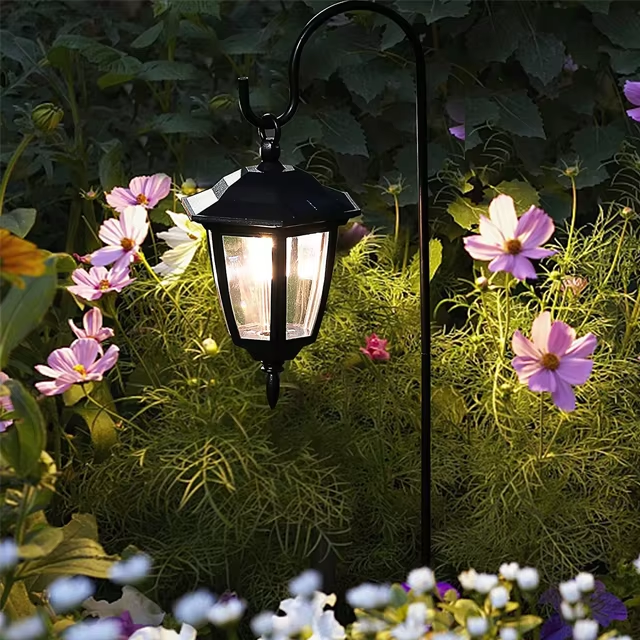
ปัญหาอายุการใช้งานแบตเตอรี่และระยะเวลาการใช้งานในสภาพแวดล้อมจริง
อายุการใช้งานแบตเตอรี่สั้นและการไม่สอดคล้องกันระหว่างระยะเวลาให้แสงสว่างตามที่โฆษณาไว้กับความเป็นจริง
หลายคนรู้สึกผิดหวังเมื่อไฟติดผนังพลังงานแสงอาทิตย์ของพวกเขาใช้งานได้เพียงประมาณครึ่งหนึ่งของเวลาที่โฆษณาอ้างไว้ การทดสอบที่ทำในห้องปฏิบัติการภายใต้สภาวะที่เรียกว่า "เหมาะสมที่สุด" ไม่ได้สะท้อนสภาพจริงภายนอกอย่างแท้จริง ไฟที่เคลมว่าจะส่องสว่างได้นาน 8 ถึง 12 ชั่วโมง มักเริ่มหรี่ลงหลังจากเพียง 4 หรือ 5 ชั่วโมง โดยเฉพาะหากเซ็นเซอร์ตรวจจับการเคลื่อนไหวเปิด-ปิดไฟซ้ำๆ ตลอดช่วงเย็น เหตุใดจึงเป็นเช่นนี้? ทั้งนี้ เนื่องจากผู้ผลิตส่วนใหญ่ทำการทดสอบผลิตภัณฑ์เหล่านี้ในสภาพแวดล้อมที่ควบคุมได้ ซึ่งไม่มีเงาอะไรมาบังแผงเซลล์, แสงแดดส่องอย่างสม่ำเสมอตลอดทั้งวัน และอุณหภูมิคงที่ สภาพดังกล่าวไม่เกิดขึ้นจริงในพื้นที่ลานบ้านหรือทางเดินรถ ซึ่งต้นไม้มักก่อให้เกิดเงาในบางช่วงเวลา วัน overcast เป็นเรื่องปกติ และอากาศตอนกลางคืนเย็นกว่าความร้อนในเวลากลางวัน
การเสื่อมสภาพของแบตเตอรี่เนื่องจากการเปลี่ยนแปลงอุณหภูมิและการชาร์จซ้ำ
แบตเตอรี่ลิเธียมไอออนมีแนวโน้มสูญเสียความจุประมาณ 20% ของทั้งหมด หลังจากใช้งานเพียง 18 เดือน เมื่อถูกเผชิญกับการเปลี่ยนแปลงอุณหภูมิปกติที่มากกว่า 30 องศาฟาเรนไฮต์ ระหว่าง -1 องศาเซลเซียส ถึง 29 องศาเซลเซียส ปัญหานี้จะเลวร้ายลงในสภาพอากาศร้อน เพราะสารเคมีภายในจะเสื่อมสภาพเร็วขึ้น อุณหภูมิต่ำก็ไม่ดีไปกว่ากัน ในสภาวะที่ต่ำกว่าจุดเยือกแข็ง แบตเตอรี่เหล่านี้จะมีปัญหาในการรับประจุอย่างเหมาะสม บางครั้งประสิทธิภาพการชาร์จอาจลดลงระหว่าง 35 ถึง 40 เปอร์เซ็นต์ เมื่อเทียบกับที่เกิดขึ้นที่อุณหภูมิห้องปกติ และทุกครั้งที่เราคายประจุและชาร์จประจุใหม่ในระหว่างการใช้งานประจำวัน อายุการใช้งานก็จะสั้นลงเรื่อยๆ ด้วย ในพื้นที่ที่มีสภาวะอากาศเฉลี่ย ความจุจะหายไปประมาณครึ่งเปอร์เซ็นต์ต่อรอบการชาร์จเต็มหนึ่งรอบ แต่สถานการณ์จะแย่มากในสภาพภูมิอากาศรุนแรง ซึ่งความสูญเสียอาจสูงถึงเกือบ 0.8% ต่อรอบ หมายความว่าแบตเตอรี่จะใช้งานได้สั้นกว่าที่คาดไว้มาก ก่อนที่จะต้องเปลี่ยนใหม่
การวิเคราะห์ความขัดแย้ง: แบตเตอรี่ที่ไม่สามารถเปลี่ยนได้ในไฟผนังพลังแสงอาทิตย์
เมื่อแบตเตอรี่ถูกปิดไว้ในเครื่องประปา คนก็ต้องเปลี่ยนเครื่องทั้งหมด ทุกๆ 2-3 ปี แม้ว่าแผ่นแสงอาทิตย์และไฟ LED ยังคงทํางานได้ดี แนวทางนี้ได้รับการวิจารณ์มาก เพราะมันขัดกับสิ่งที่เราพยายามทําเพื่อความยั่งยืน จากการสํารวจที่ผ่านมา ประมาณ 7 ใน 10 ผู้บริโภค ต้องการแบตเตอรี่ที่สามารถเปลี่ยนได้เอง ผู้ผลิตบอกว่า การติดตั้งแบตเตอรี่อย่างถาวร ทําให้สิ่งของทนน้ํามากขึ้น และลดต้นทุนเริ่มต้นลงในระยะระหว่าง 15% และอาจถึง 20% แน่นอน ราคาเริ่มต้นที่ต่ํากว่านี้ ดูดีในที่ช็อคอัพ แต่ในเวลาที่ผ่านมา คนจะพบว่าตัวเองใช้จ่ายมากกว่าสามเท่าโดยรวม
ผลงานที่ไม่ดีในช่วงแสงแดดน้อยและสภาพอากาศที่ไม่ดี
ประสิทธิภาพการชาร์จและผลงานของแผ่นแสงอาทิตย์ในแสงที่ต่ํา
ไฟผนังที่ใช้พลังงานจากแผ่นพลังแสงอาทิตย์ จะชาร์จช้าลงประมาณ 15 ถึง 40% เมื่อมีเมฆแทนที่จะมีแสงอาทิตย์ ตามรายงานของ Solar Reviews เมื่อปีที่แล้ว บริษัทหลายแห่งพูดคุยถึงผลิตภัณฑ์ของพวกเขาว่าทํางานได้ดี แม้แต่ในวันที่ไม่ดี แต่อุปกรณ์ในบ้านส่วนใหญ่ยังพึ่งพาเซลล์ซิลิคอนโพลิกริสตัลลิน ซึ่งพบได้ใน 7 ใน 10 ยูนิตที่อยู่อาศัย ปัญหาคืออะไร? พวกมันพยายามที่จะเปลี่ยนแสงกระจายไปเป็นไฟฟ้า โดยสามารถเปลี่ยนได้น้อยกว่า 10% ในที่สุด แล้วในฝึกงานล่ะ? สี่ชั่วโมงที่ร่มรื่น อาจทําให้เจ้าของบ้านมีแสงประมาณครึ่งชั่วโมงหลังจากที่มืด ซึ่งทําให้เกิดปัญหาจริงสําหรับผู้คนที่คาดหวังแสงที่น่าเชื่อถือตลอดช่วงเดือนฤดูหนาว หรือในช่วงที่ฝนตกบ่อย
ความสว่างลดลงและปิดก่อนเวลาในช่วงเมฆนาน
ความจริงคือระบบประกายแสงภายนอกส่วนใหญ่ จะเริ่มสูญเสียแสงสว่างหลังจากมีเมฆเป็นวันสองวันติดต่อกัน เมื่อแบตเตอรี่หมด ระบบเหล่านี้มีโปรแกรมที่สร้างขึ้น ที่ลดความสว่างลงจาก 30% เป็นเกือบ 80% เมื่อมันตรวจจับระดับการชาร์จที่ลดลงใต้ครึ่งกําลัง แต่ก็ไม่มีใครบอกลูกค้าเกี่ยวกับการหมอบอ่อนอัตโนมัติ แล้วจะเกิดอะไรขึ้น? ไฟจะมืดเร็วกว่าที่คาด เมื่ออากาศไม่ดีอยู่หลายวัน จากการวิจัยล่าสุดจากสมาคมพลังงานผู้บริโภค เกือบสองในสามของผู้มีไฟพวกนี้ มีปัญหาเกี่ยวกับการล้มเหลวในช่วงฤดูฝนที่พวกเรากลัว
ผลของความแตกต่างของแสงอาทิตย์ตามฤดูกาลต่อไฟไฟฟ้าไฟฟ้าพลังแสงอาทิตย์
| ฤดู | อวาร์จ. ชั่วโมงการชาร์จ/วัน | ระยะเวลาการใช้งานทั่วไป | ผลสัมฤทธิ์ทางภูมิภาค |
|---|---|---|---|
| ฤดูหนาว | 2.1 ± 0.8 | 2-4 ชั่วโมง | > 45° ช่วงขอบเขต: ประสิทธิภาพลดลง 30-45% |
| ฤดูใบไม้ผลิ | 5.3 ± 1.2 | 6-8 ชั่วโมง | < 35° ช่วงขอบเขต: ลด 10-15% |
| ฤดูร้อน | 8.7 ± 1.5 | 10-12 ชั่วโมง | ความแตกต่างทางภูมิภาคอย่างน้อย |
| ฤดูใบไม้ร่วง | 4.2 ± 1.1 | 4-6 ชั่วโมง | 35°-45°: ลด 20-30% |
รุ่นพรีเมี่ยมที่ติดตั้งแบตเตอรี่ LiFePO4 ให้การเก็บชาร์จในสภาพอากาศหนาว 18% ดีกว่าไฟลิตยู-ไอออนมาตรฐาน (NREL 2022) แต่เพียง 12% ของไฟผนังพลังแสงอาทิตย์ปัจจุบันใช้เคมีที่ทนทานกว่านี้เพราะต้นทุน
ความสว่างที่ไม่เพียงพอและความกังวลเกี่ยวกับคุณภาพ LED
ความต้องการความปลอดภัยและบรรยากาศภายนอก
แสงแสงแสงอาทิตย์ส่วนใหญ่ไม่พอสําหรับการให้แสงพอสําหรับความปลอดภัย หรือการสว่างพื้นที่ทั่วไปรอบบ้าน ตามการวิจัยที่ตีพิมพ์เมื่อปีที่แล้ว เกือบสามส่วนของรุ่นราคาถูกกว่า สามารถทํางานได้เพียง 300 ลูเมนต่อเนื่อง ซึ่งไม่เพียงพอที่จะทําให้แสงสว่างได้ถูกต้อง หรือทําให้เกิดความแตกต่าง ในการทําให้ผู้เข้ามาในทางที่ไม่ถูกต้องกลัว สิ่งที่ผู้ผลิตมักจะเน้นคือ ไฟพวกนี้จะทํางานนานแค่ไหน แทนที่จะเน้นว่ามันจะสว่างแค่ไหน ผลลัพธ์? จุดที่ดูหนาวๆ และเงาๆ แทนที่จะมีคลุมคลุมทั่วพื้นที่ ใช้ทางเข้าที่ผู้คนต้องการแสง 600 ลูเมน เพื่อเดินปลอดภัยในเวลากลางคืน แสงแสงอาทิตย์ทั่วไปแทบจะไม่ถึง 300 ลูเมน ที่นั่น ทําให้คนต้องเดินไปรอบๆ ในความมืดครึ่งหนึ่ง
ความผิดปกติของ LED เนื่องจากความร้อนเกินหรือคุณภาพส่วนประกอบที่ไม่ดี
ประมาณ 38% ของไฟผนังพลังแสงอาทิตย์ มีปัญหาความเครียดทางความร้อน จากการทดสอบความทนทานล่าสุดที่ดําเนินการในปี 2024 เมื่อไฟ LED อยู่ในห้องที่มีอุณหภูมิสูงกว่า 140 องศาฟาเรนไฮต์ มันมักจะสูญเสียแสงประมาณ 15-20% ในแต่ละปี เพราะความร้อนไม่หลุดออกมาได้อย่างถูกต้อง สิ่งต่างๆแย่ลงเมื่อผู้ผลิตใช้เครื่องระบายความร้อนขนาดเล็กๆ รวมถึงสับเชื่อมที่ไม่น่าเชื่อถือได้ ผลลัพธ์? หลายๆเครื่องประดับไฟพวกนี้เริ่มดับเร็วกว่าที่คาด รุ่นบางรุ่นจะลดความสว่างลงเป็นครึ่งหนึ่งภายในเวลาเพียง 18 เดือนหลังจากติดตั้ง การดูว่าทําไมถึงเกิดแบบนี้ ก็ชี้ให้เห็นถึงการลดค่าใช้จ่าย แทนที่จะใช้วัสดุที่เหมาะสม บริษัทมักเลือกใช้กรอบอลูมิเนียมที่ไม่ใช้แอโนด และคอนเดสเตอร์ที่ออกแบบให้ใช้ในสภาพแวดล้อม 85 องศาเซลเซียสเท่านั้น
ปาราโดคซ์ของอุตสาหกรรม: คําร้องของแสงสูงกับผลิตแสงที่วัด
FTC ให้ผู้ผลิตหลบหนีได้ 20% ในข้อเสนอผลิตแสง ซึ่งพวกเขาได้ประโยชน์อย่างแน่นอน แต่เมื่อคนทดสอบแสงอาทิตย์ในสภาพจริง ประมาณ 7 ใน 10 คน ไม่ทันถึงจุดที่สัญญาไว้บนกล่อง บางครั้งก็ไม่ทันถึง 2/3 ตามข้อมูลของ Lighting Research Center เมื่อปีที่แล้ว บริษัทหลายแห่งก็แค่โชว์ให้เห็นว่าสินค้าของพวกเขาสว่างแค่ไหน หลังจากเปิดมันไปประมาณหนึ่งชั่วโมง แทนที่จะบอกลูกค้าว่าเกิดอะไรขึ้นตลอดคืน นั่นมันหลอกลวงสําหรับคนที่ต้องการแสงสว่างที่คงที่ตลอดเวลาที่มืด และมีข้อเสียจริง ๆ กับปัญหาข้อมูลผิด บ้านที่ใช้แสงอาทิตย์ที่มีประสิทธิภาพต่ําๆ จะมีการเดินและตกบนทางเท้ามากถึงสี่เปอร์ส่วนมากกว่าบ้านที่มีระบบไฟฟ้าแบบสายไฟทั่วไป ตามผลการค้นพบของสภาความปลอดภัยในบ้าน ที่ออกเมื่อต้นปีนี้
ปัญหา เรื่อง ความ ยั่งยืน: ความ ทนทาน ต่อ อากาศ และ ความ ยาวนาน ของ วัสดุ
ความเสียหายจากน้ําและปัญหาเกี่ยวกับการกันน้ําในอุปกรณ์ภายนอก
สินค้าหลายอย่างบอกว่ามีมาตรฐาน IP65 แต่ตามรายงานการส่องแสงภายนอกปี 2024 ประมาณสองในสามของสินค้าเหล่านี้ จะเสียผลเร็ว เพราะน้ําเข้าเข้าไปในเครื่อง ปัญหามักจะเกิดจากเครื่องประปาที่มีคุณภาพต่ํา ที่ส่วนส่วนของบ้านเชื่อมต่อกันและที่สายไฟเข้าสู่หน่วย เมื่ออุณหภูมิขึ้นและลงตลอดวัน วัสดุจะขยายและหดตัว ซึ่งในที่สุดจะสร้างช่องว่างเล็กๆ ที่ปล่อยให้ความชื้นเข้าไป เมื่อเกิดแบบนี้ หนาแน่นจะสะสมขึ้นในตัว และเริ่มกินไปในวงจร การเสียหายแบบนี้ ทําให้เกิดการทํางานผิดปกติเร็วกว่าที่คาดไว้ แม้กระทั่งสําหรับไฟที่ควรถูกคุ้มกันด้วยผ้าปูหรือผ้าปูอื่นๆ
การทําลายของวัสดุจากการเผชิญกับแสง UV และอุณหภูมิที่สูงสุด
ส่วนใหญ่ของโครงสร้างพอลิมเลอร์และส่วนประกอบการติดตั้งของพวกเขาเริ่มที่จะสูญเสียความยืดหยุ่นประมาณ 12 ถึง 18 เดือนหลังจากถูกเผชิญกับแสง UV การทดสอบแสดงว่า ประมาณ 40% จะมีสัญญาณของสีเหลืองหรือแตก เมื่อนําไปใช้ในสภาพอากาศที่เร่งรัด เมื่ออุณหภูมิตกต่ํากว่าศูนย์เย็น พลาสติกเหล่านี้จะเปราะบางมากขึ้น และอาจแตกแตกแตกแตก ด้านอีกด้าน ความร้อนที่รุนแรงในทะเลทราย สามารถบิดรูปของวัสดุเดียวกันตามเวลา มันแปลกจริงๆ เพราะเทคโนโลยีแผ่นแสงอาทิตย์เอง มักจะรวมวัสดุที่ทนต่อแสง UV เพื่อป้องกัน แต่บริษัทหลายแห่งยังคงติดตั้งตัวพลาสติกที่เปราะบางเหล่านี้ โดยไม่รักษาอะไรเลย ซึ่งทําให้เกิดปัญหาความน่าเชื่อถืออย่างหนัก ต่อไปสําหรับอุปกรณ์ที่ตั้งไว้ในกลางแจ้ง
ความผิดพลาดของเซ็นเซอร์และการทํางานที่ไม่สม่ําเสมอ
การทํางานผิดปกติของเซ็นเซอร์การเคลื่อนไหว เนื่องจากการปรับขนาดที่ไม่ดีหรือการแทรกแซงสภาพอากาศ
ประมาณ 40% ของไฟฟ้าแสงอาทิตย์เหล่านี้ มีปัญหากับเซ็นเซอร์การเคลื่อนไหว หลังจากใช้งานเพียงสองปี ผู้กระทําผิดหลัก? ปัจจัยสิ่งแวดล้อมส่วนใหญ่ ความชื้นที่เข้าถึงภายในจากฝนหรือความชื้นบวกกับการตั้งค่าความรู้สึกที่ไม่ถูกต้อง เป็นปัญหาทั่วไป ตามการศึกษาล่าสุดปี 2023 เกี่ยวกับระบบพลังงานที่สามารถปรับปรุงได้ เซ็นเซอร์เหล่านี้ทํางานได้ดีที่สุด ระหว่าง -15 องศาเซลเซียส และ 45 องศา แต่มันจะแตกออกเร็วมาก เมื่ออุณหภูมิเกินขอบเขตนี้ หรือมีความหนาแน่นสะสมอยู่ในหลังคา เมื่อเกิดแบบนี้ คนก็จะมีสัญญาณเตือนเท็จตลอดเวลาในเวลากลางคืน หรือที่แย่กว่านั้น ก็ไม่มีการเตือนเลย เมื่อมีใครเข้ามาใกล้ ในสถานการณ์ทั้งสองอย่าง สิ่งที่เป็นความปลอดภัยที่สมาร์ทนี้ ทําให้มันไร้ประโยชน์อย่างสิ้นเชิง ในการปกป้องทรัพย์สิน และการประกันความสงบสุขในบ้าน
ความผิดพลาดของฟังก์ชันจากดวงอาทิตย์ถึงดวงอาทิตย์ ที่เกิดจากเซ็นเซอร์แสงที่ผิดปกติ
เมื่อเซลล์ไฟเสียคนก็ต้องใช้ไฟทั้งวัน เมื่อมันไม่ควรใช้ หรือที่แย่กว่านั้น ก็ไม่มีไฟเลยหลังมืด ฝุ่นและผงกะเพาะสะสมขึ้นตามเวลา ทําให้เซ็นเซอร์ทํางานได้ไม่ดี ทําให้ความแม่นยําของเซ็นเซอร์ลดลงระหว่าง 30% ถึง 60% ต่อปี และเซ็นเซอร์ราคาถูก? พวกเขาไม่สามารถอ่านแสงรอบๆได้ถูกต้อง ในส่วนใหญ่ของเวลา การทดสอบในสนามแสดงว่า 28% ของพวกมัน จะไม่เปิดตัว เมื่อมีเมฆบางส่วน การเล่นเล่นแบบนี้ ทําให้แบตเตอรี่เสียเร็วกว่าที่คาด และทําให้คนหมดความเชื่อในระบบประกายไฟอัตโนมัติ
รูปแบบแสงที่ไม่สอดคล้องหรือสับสับ ที่ส่งผลต่อความไว้วางใจของผู้ใช้
แบตเตอรี่เก่ามักจะทําให้ความตึงเครียดไม่มั่นคง ซึ่งทําให้มีแสงสับสนและความสว่างไม่สม่ําเสมอ ที่หลายคนบ่นในปัจจุบัน ประมาณสามคนรายงานว่ามีปัญหานี้ เมื่อพูดถึงไฟ LED ที่ควบคุมด้วยเทคโนโลยี PWM ทุกสิ่งทุกอย่างที่เกิน 90Hz จะเริ่มดูไม่มั่นคงต่อตาส่วนใหญ่ แม้ว่าผลิตแสงจริงจะยังคงเหมือนเดิมบนกระดาษ ปัญหาคือ สมองของเราไม่เห็นมันแบบนั้น คนเรามองว่าสิ่งต่างๆมืดมิดขึ้น เมื่อมีแสงสว่างเกิดขึ้น และนั่นสร้างปัญหาทุกชนิด เพื่อความปลอดภัยในเวลากลางคืน การสํารวจผู้บริโภคแสดงให้เห็นถึงสิ่งที่น่าตื่นเต้นมากเช่นกัน - ประมาณ 4 ใน 10 ผู้บริโภคสูญเสียความไว้วางใจในเครื่องประดับที่สับสับประจํา มันมีเหตุผลจริงๆ ใครอยากเดินผ่านบ้านกลางคืน คิดว่าไฟจะดับได้ทุกเวลา
| รถรับสัญญาณ | สาเหตุหลัก | เวลาเริ่มต้นเฉลี่ย |
|---|---|---|
| การตรวจจับการเคลื่อนไหว | การทําลายล้างของร่องรอยอากาศ | 14 เดือน |
| จากยามมืดถึงยามเช้า | การปนเปื้อนด้วยเซลล์แสง | 8 เดือน |
| แสงสับ | ความดันของแบตเตอรี่ลดลง | 11 เดือน |
(ข้อมูล: รายงานผลการประกอบการแสงอาทิตย์ปี 2024)
คำถามที่พบบ่อย
ทําไมไฟฟ้าแสงอาทิตย์มีอายุการใช้งานแบตเตอรี่สั้นกว่าที่ประกาศ?
ผู้ผลิตมักทดสอบผลิตภัณฑ์ของพวกเขาภายใต้สภาพที่ควบคุมได้ ซึ่งไม่สะท้อนสภาพแวดล้อมในโลกจริง ที่มีปัจจัย เช่น ความเงา ความอากาศเปลี่ยนแปลง และการเปิดปิดบ่อยครั้ง มีผลต่อผลการทํางานของแบตเตอรี่
สามารถลดการเสียของแบตเตอรี่ในแสงอาทิตย์ได้หรือไม่
การใช้แบตเตอรี่ที่ทนทานอย่าง LiFePO4 สามารถช่วยในการเก็บชาร์จในอากาศหนาวได้ดีขึ้น และลดการทําลายล้าง แม้ว่ามันจะมีต้นทุนการผลิตที่สูงกว่า
จะทําอะไรได้บ้าง เพื่อให้แสงอาทิตย์ไม่สว่างในสภาพเมฆ
การเลือกแบบที่มีแผ่นแสงอาทิตย์ขนาดใหญ่และมีประสิทธิภาพมากขึ้น หรือรวมแสงอาทิตย์กับระบบติดตั้งสายไฟ สามารถช่วยลดปัญหาความสว่างในช่วงที่แสงอาทิตย์ไม่มาก
แบตเตอรี่ที่เปลี่ยนไม่ได้ในไฟแสงอาทิตย์ เป็นทางเลือกที่ยั่งยืนหรือไม่
แม้ว่าแบตเตอรี่ที่ไม่สามารถถอดเปลี่ยนได้อาจมีต้นทุนเริ่มต้นต่ำกว่าและเพิ่มความต้านทานน้ำได้ดีขึ้น แต่ก็ส่งผลให้เกิดขยะอิเล็กทรอนิกส์มากขึ้น เนื่องจากต้องทิ้งอุปกรณ์ทั้งชิ้นภายในไม่กี่ปี
สารบัญ
- ปัญหาอายุการใช้งานแบตเตอรี่และระยะเวลาการใช้งานในสภาพแวดล้อมจริง
- ผลงานที่ไม่ดีในช่วงแสงแดดน้อยและสภาพอากาศที่ไม่ดี
- ความสว่างที่ไม่เพียงพอและความกังวลเกี่ยวกับคุณภาพ LED
- ปัญหา เรื่อง ความ ยั่งยืน: ความ ทนทาน ต่อ อากาศ และ ความ ยาวนาน ของ วัสดุ
- ความผิดพลาดของเซ็นเซอร์และการทํางานที่ไม่สม่ําเสมอ
- คำถามที่พบบ่อย